

Giants and Specialists of the Karst and Canopy
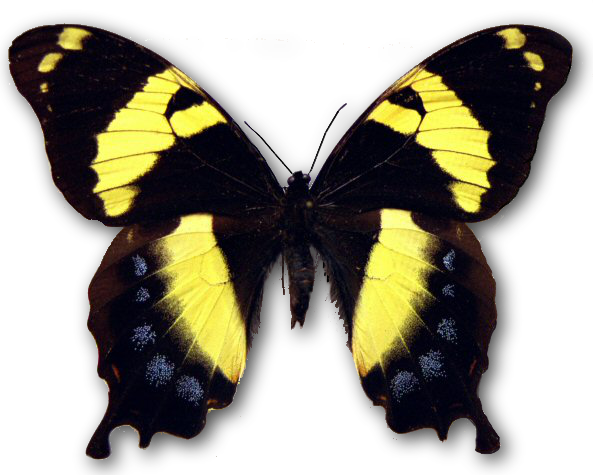
Jamaica is the only home to the Homerus Swallowtail (Papilio homerus), the largest butterfly in the Western Hemisphere. With a wingspan reaching up to 6 inches, this majestic insect is a prime example of "island gigantism." Restricted to the remote rainforests of the Blue and John Crow Mountains and the Cockpit Country, it requires pristine habitat and specific host plants (primarily the Hernandia tree) to survive.
Once widespread across the island, it is now an endangered icon, representing the fragile balance between Jamaica’s unique flora and its insect specialists.
Unlike its giant cousin, the Jamaican Kite Swallowtail (Protographium marcellinus) is smaller and incredibly rare. It is found almost exclusively in the dry limestone forests of Rozelle and the Hellshire Hills, where it depends on the rare Oxandra lanceolata (Blackberry) tree.
Jamaica is a global hotspot for firefly diversity, with over 50 species, many of which are endemic. The Jamaican "Blinkies" and the larger Peeny-Wallies (click beetles with glowing "headlights") are cultural and biological staples. Each species has a unique flash pattern used for mating, a biological Morse code evolved over millennia in isolation.
Deep within the limestone caves of the Cockpit Country live endemic, wingless crickets that have adapted to a life of permanent darkness. These specialists play a vital role in the cave ecosystem, processing organic matter brought in by the island’s bat populations.
While the invertebrate world is vast and many species remain undocumented, this checklist represents the major endemic lineages currently recognized within the archive. For the 500+ species of endemic land snails, please see Pillar 5: The Shell.
| Group / Order | Representative Endemics | Biological Strategy |
|---|---|---|
| Lepidoptera (Butterflies) |
Papilio homerus (Homerus Swallowtail) Protographium marcellinus (Jamaican Kite) |
Island Gigantism and extreme habitat specialization. |
| Coleoptera (Beetles) |
Photinus pallens (Blinkie) Pyrophorus noctilucus (Peeny-Wally) |
Bioluminescent mating signals unique to Jamaica's forests. |
| Decapoda (Crustaceans) |
Metopaulias depressus (Bromeliad Crab) Sesarma cookei (Mountain River Crab) |
Specialized life cycles within wild pines and mountain streams. |
| Arachnida (Arachnids) |
Endemic Funnel-web Spiders Centruroides spp. (Endemic Scorpions) |
Predatory specialists in high-altitude mist and dry forests. |
| Onychophora (Velvet Worms) |
Plicatoperipatus jamaicensis | Ancient "Living Fossils" surviving in moist mountain leaf litter. |
The Homerus Swallowtail was once featured on the Jamaican $1000 bill, highlighting its status as a national biological treasure.
Many of Jamaica's endemic insects remain "undescribed," meaning they have been seen by locals but never formally named by science. The Cockpit Country remains the most likely place for new discoveries.