
Mammee
Mammea americana | Also known as: Mammee Apple, Mamey
In Jamaica, the mammee bark gum is melted with fat, and smeared onto animals' feet to get rid of fleas and other parasites. Infusions of half-ripe fruits are said to have the same effect.
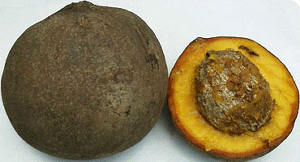
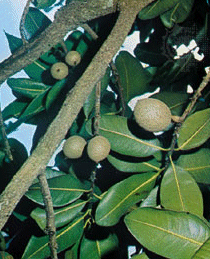
You can find mammee apples in many Caribbean markets. They are oval, the size of a large orange, with a thick, leathery, bitter skin. Inside, the reddish or yellow flesh is sweet and aromatic, and tastes a bit like apricot. Mammees are usually eaten raw or stewed and eaten as a dessert. They are also used for jams and preserves, as Sloane recorded.
 In French-speaking parts of the Caribbean, people make a liqueur, 'eau/crème de creole', from the flowers, and also drink it as a tonic.
In Central and Southern America, ground-up mammee seeds stirred into hot water are used to treat parasitic skin diseases and worms.
The leaves are said to contain insecticidal chemicals, and in Puerto Rico farmers wrap them around young tomato plants to keep pests away. The seeds are toxic to fish, chicks and some insects.
