
Sweetsop
Annona squamosa | Also known as: Sugar Apple, Custard Apple
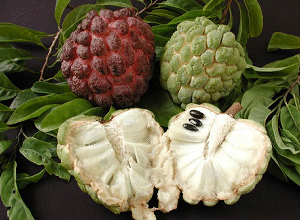
Sweetsop is a very popular fruit found in markets all over the world. The rind is thick and knobbly, but inside the creamy flesh is juicy and sweet with a minty or custardy flavor. It is sometimes called a custard apple, a name also given to the much larger fruit of a closely related species, Annona reticulata. It is always eaten fresh, never cooked, and may be added to ice cream or milk to make a cool drink.
In some countries, people pound and powder the seeds and dried fruits to make a fish poison or insecticide. In Mexico, the leaves are rubbed on floors and placed in hens' nests to repel lice. Oil from the seeds has also been utilized against agricultural pests.
The seed oil has been proposed as a substitute for peanut oil in the manufacture of soap: while toxic in its raw state, it can be detoxified by an alkali treatment. Oil extracted from the leaves is occasionally used in perfumes to impart a woody, spicy accent.
Sweetsop appears in many traditional remedies throughout tropical regions. Across tropical America, a leaf tea is drunk for menstrual problems, fever, and as a general digestive tonic, cold remedy, or to clarify urine. The leaf extract is also used in herbal baths to soothe rheumatic pain.
The highly astringent green fruit bark and roots are both used against diarrhea. The root acts as a particularly powerful purge and is traditionally employed for dysentery and other internal ailments. In laboratory testing, bark extracts have shown activity against prostate cancer cells.
In traditional Indian medicine, crushed leaves are inhaled to help overcome hysteria or fainting spells and applied topically to ulcers and wounds. A leaf decoction is taken for dysentery, while crushed ripe fruit mixed with salt is applied directly to tumors.
