
To understand the true scale of endemism in Jamaica, one must look closely at the forest floor, the limestone walls, and the canopy. The island’s invertebrate life represents a massive, largely uncharted frontier of evolutionary biology. Unlike birds or mammals, which can cross wide expanses of terrain, insects are highly localized. For a small beetle or a flightless cricket, a single, deep limestone valley in the Cockpit Country is an impenetrable fortress.
This rugged topography acts as "islands within an island." In fact, for a bug, beetle, or butterfly, a single, jagged valley in the Cockpit Country or an isolated peak in the John Crow Mountains can be like "islands within islands within an island."
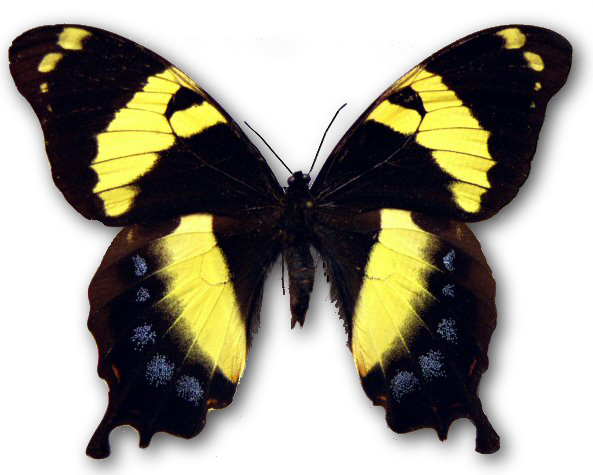
Over millions of years, insect populations became permanently separated by these sharp limestone ridges or high-altitude peaks. Forced to adapt to these highly specific microclimates—from pitch-black subterranean caves to sun-baked dry forests—they splintered into thousands of distinct, unique species. While science has documented a fraction of these marvels—like the 19 strictly endemic butterflies or the 50+ species of luminescent beetles—countless endemic insects remain completely undescribed, living their entire existence on a single Jamaican hillside.