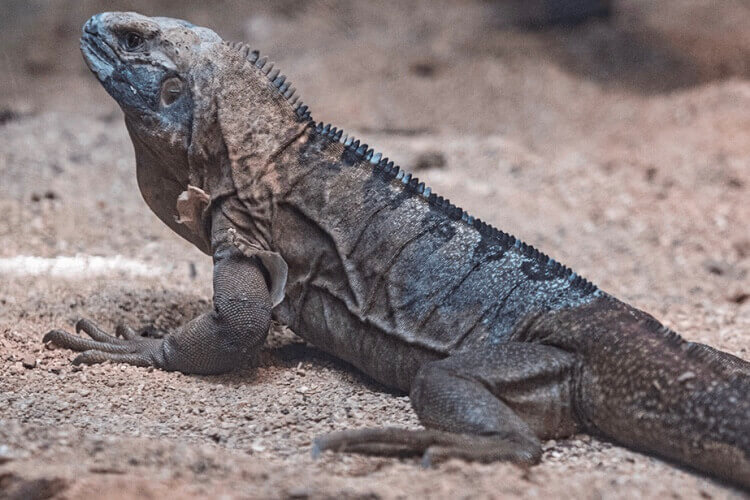
| Jamaican Iguana | Cyclura collei | Iguanidae (Iguanas) | Critically Endangered |
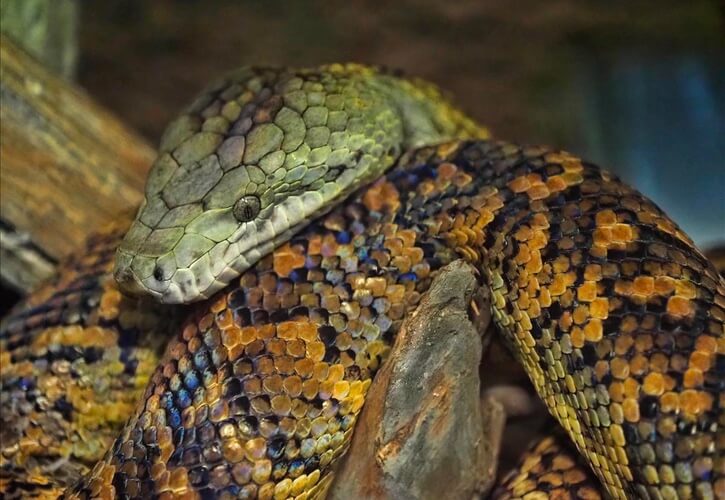
| Jamaican Boa (Yellow Snake) | Chilabothrus subflavus | Boidae (Boas) | Vulnerable |
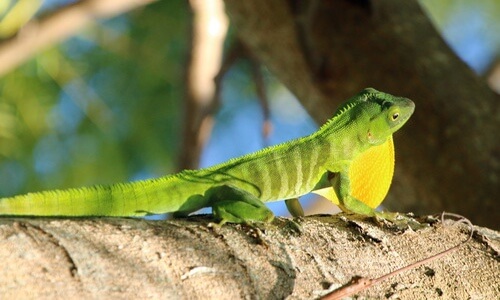
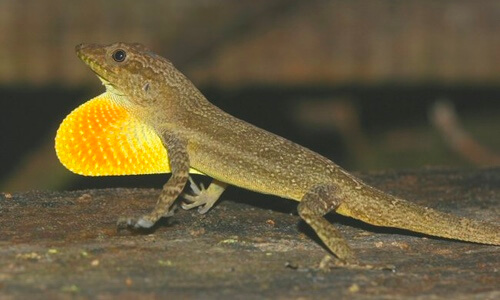
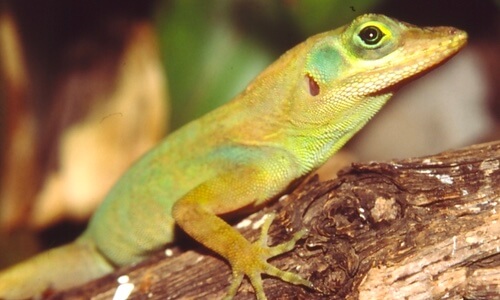
| Jamaican Giant Anole | Anolis garmani | Dactyloidae (Anoles) | Stable / Islandwide |
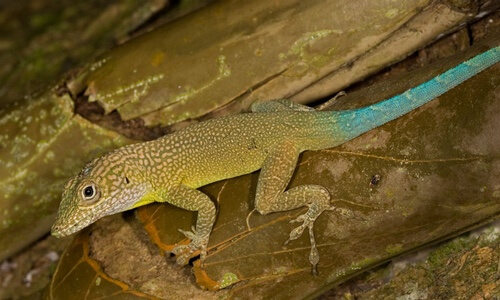
| Jamaican Turquoise Anole | Anolis grahami | Dactyloidae (Anoles) | Stable / Islandwide |
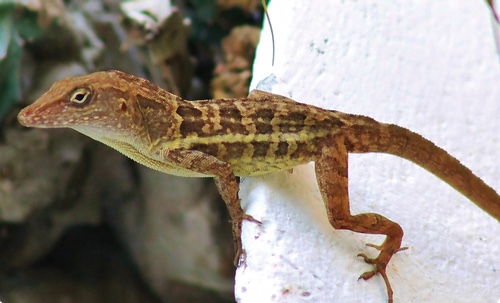
| Jamaican Gray Anole | Anolis lineatopus | Dactyloidae (Anoles) | Stable / Islandwide |
| Jamaican Bluefields Anole | Anolis opalinus | Dactyloidae (Anoles) | Stable / Islandwide |
| Blue Mountain Anole | Anolis reconditus | Dactyloidae (Anoles) | Montane Restricted |
| Jamaican Twig Anole | Anolis valencienni | Dactyloidae (Anoles) | Stable / Islandwide |
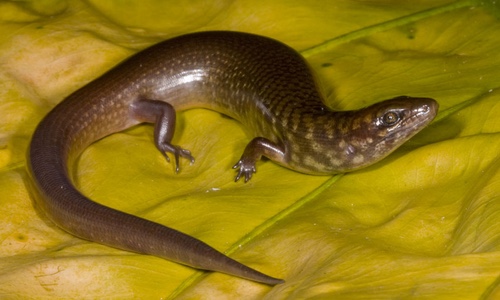
| Limestone Forest Galliwasp | Celestus barbouri | Diploglossidae (Galliwasps) | Rare / Forest Interior |
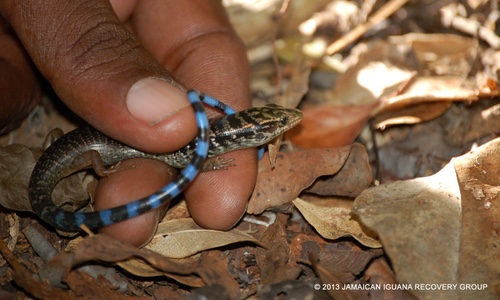
| Blue-tailed Galliwasp | Celestus duquesneyi | Diploglossidae (Galliwasps) | Rare / South Coast |
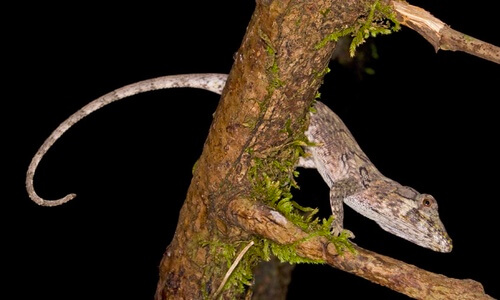
| Bromeliad Galliwasp | Celestus fowleri | Diploglossidae (Galliwasps) | Cryptic / Arboreal |
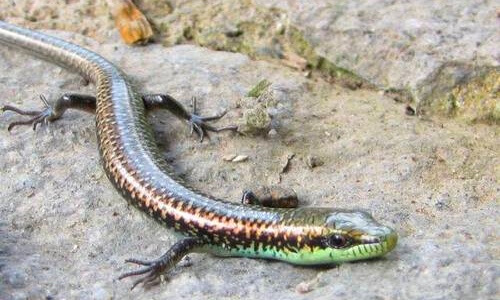
| Red-spotted Galliwasp | Celestus hewardi | Diploglossidae (Galliwasps) | Secretive Leaf Dweller |
| Small-eyed Galliwasp | Celestus microblepharis | Diploglossidae (Galliwasps) | Critically Localized |
| Southern Jamaica Banded Dwarf Gecko | Sphaerodactylus parkeri | Sphaerodactylidae (Geckos) | Localized South Coast |
| Jamaican Tailspot Dwarf Gecko | Sphaerodactylus dacnicolor | Sphaerodactylidae (Geckos) | Cryptic |
| Jamaican Collared Dwarf Gecko | Sphaerodactylus gilvitorques | Sphaerodactylidae (Geckos) | Rare Lineage |
| Jamaican Forest Dwarf Gecko | Sphaerodactylus goniorhynchus | Sphaerodactylidae (Geckos) | Forest Dependent |
| Jamaican Sharp-nosed Dwarf Gecko | Sphaerodactylus oxyrhinus | Sphaerodactylidae (Geckos) | Cryptic Wood Dweller |
| Northern Jamaica Banded Dwarf Gecko | Sphaerodactylus richardsonii | Sphaerodactylidae (Geckos) | Localized North Coast |
| Cockpit Eyespot Dwarf Gecko | Sphaerodactylus semasiops | Sphaerodactylidae (Geckos) | Karst Dependent |
| Jamaican Brown Dwarf Boa | Tropidophis jamaicensis | Tropidophiidae (Dwarf Boas) | Secretive Constrictor |
| Jamaican Eyespot Dwarf Boa | Tropidophis stejnegeri | Tropidophiidae (Dwarf Boas) | Rare Soil Dweller |
| Portland Ridge Dwarf Boa | Tropidophis stullae | Tropidophiidae (Dwarf Boas) | Critically Localized |
| Jamaican Red Racerlet | Hypsirhynchus callilaemus | Colubridae (Racerlets) | Burrowing Forager |
| Jamaican Black Racerlet | Hypsirhynchus funereus | Colubridae (Racerlets) | Ground Forager |
| Jamaican Long-tailed Racerlet | Hypsirhynchus polylepis | Colubridae (Racerlets) | Localized Lineage |
| Jamaican Blindsnake | Typhlops jamaicensis | Typhlopidae (Blindsnakes) | Burrowing Insectivore |
| Jamaican Skink | Spondylurus fulgidus | Scincidae (Skinks) | Highly Threatened |
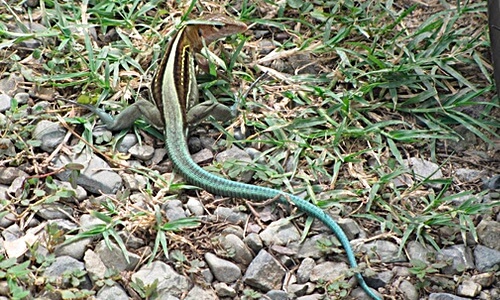
| Jamaica Ameiva (Ground Lizard) | Pholidoscelis dorsalis | Teiidae (Whiptails) | Coastal Patroller |
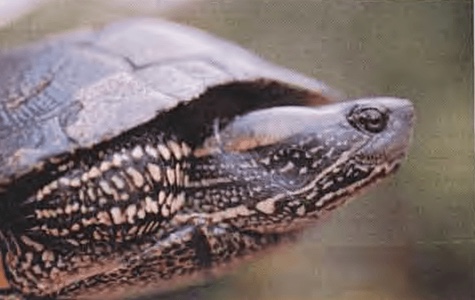
| Jamaican Slider Turtle | Trachemys terrapen | Emydidae (Box/Water Turtles) | Threatened Freshwater |
| Jamaican Curlytail Lizard (Historic) | Leiocephalus jamaicensis | Leiocephalidae (Curlytails) | Extinct |
| Jamaican Black Racer Snake (Historic) | Hypsirhynchus ater | Colubridae (Racerlets) | Extinct |
| Jamaican Giant Galliwasp (Historic) | Celestus occiduus | Diploglossidae (Galliwasps) | Extinct |
| Jamaican Giant Gecko (Historic) | Tarentola albertschwartzi | Phyllodactylidae (Leaf-geckos) | Extinct |