Where river, town and history meet
Black River is more than the capital of St. Elizabeth and more than the river that shares its name. For centuries, this corner of Jamaica connected an inland economy to the sea. The same landscape later became one of the island's most important wetland systems. This collection follows those stories together—town, river, people, buildings and environment.
Start with the story
Black River: From Prosperity to Decline
Why did Black River become one of western Jamaica's most important towns—and what changed? Follow the town from Indigenous and Spanish-era landscapes through logwood, slavery, commerce, electricity, decline and the heritage that remains.
Read the historyExplore Black River
Each page follows one part of the same landscape. Together they build a fuller picture of the town, river and wider South Coast.
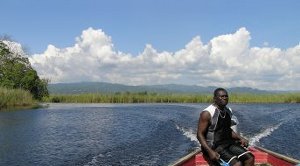
The River
Trace the waterway that connected the interior to the coast and still shapes the town, wetlands and communities along its course.
Explore the river →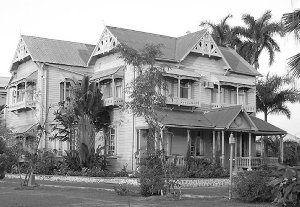
Historic Buildings
Read the town through its surviving architecture—from merchant houses and churches to buildings associated with Black River's commercial height.
See the buildings →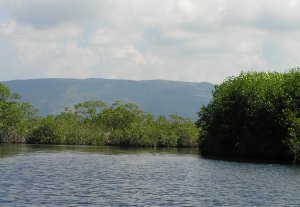
The Lower Morass
Explore the wetland system where mangroves, marshes, wildlife and river channels give Black River a very different kind of importance today.
Enter the wetlands →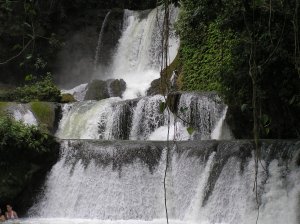
Around Black River
Follow the wider St. Elizabeth landscape to YS Falls, Lovers' Leap, Bamboo Avenue, Parottee and other places connected to the Black River region.
Explore the area →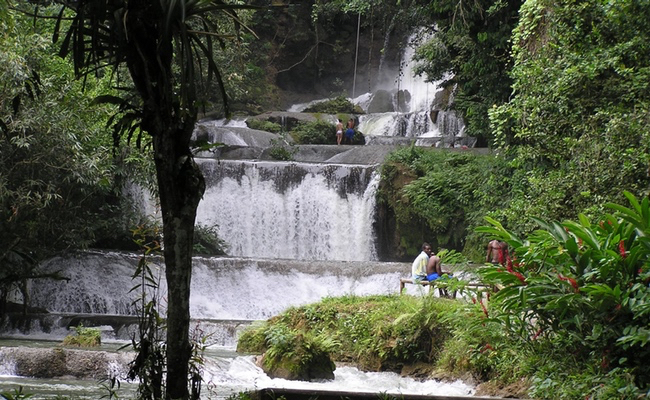
The South Coast
Look beyond the river mouth to the bays, fishing communities and beaches stretching east and west along St. Elizabeth's coast.
Explore the coast →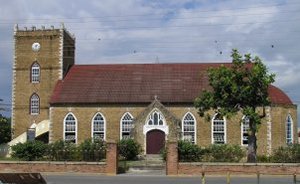
Heritage & Memory
See how the old commercial town survives in its streets, waterfront, buildings and the stories Black River continues to carry.
Follow the heritage story →One landscape, several stories
The river that built the town now helps define its future
Black River's first advantage came from movement: goods could travel downriver to the sea. Today, the river and Lower Morass matter for another reason—as a wetland landscape, wildlife habitat and part of the region's tourism economy.
Black River in the wider Fiwi Roots story
The venture should connect outward rather than stand alone. These Fiwi Roots pages provide the wider geography, heritage and natural-history context.