The Lower Morass
The Black River Lower Morass is Jamaica's largest freshwater wetland ecosystem, a landscape of lagoons, marshes, mudflats, mangroves and peat-forming freshwater wetlands close to the island's south coast.
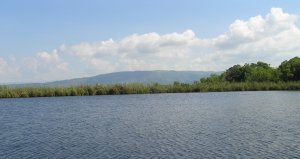
A wetland of international importance
The Black River Lower Morass has been designated for inclusion in the List of Wetlands of International Importance under the Ramsar Convention. The wetland includes shallow brackish lagoons, limestone islands, tidal marshes, mudflats, mangroves and extensive freshwater marshes with peat formations.
Covering about 14,085 acres, the Lower Morass supports a wide variety of plant and animal life, including species found only in Jamaica.
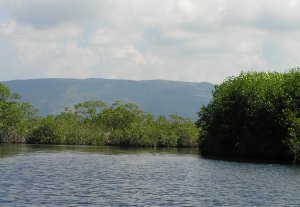
Mangroves, palms and marsh vegetation
Plants associated with the wetland include swamp palm, thatch palm and naseberry bullet. Red mangroves form important stands in the southern section of the morass, providing shelter and nursery habitat for birds, crabs, fish and shrimp.
Local people have also used wetland plants such as thatch palm for baskets and roofing material.
Wildlife and nursery habitat
The wetland acts as a nursery for fish and crustaceans, provides nesting and feeding areas for birds, and supports commercially important species including snapper, snook, tarpon, jack and several kinds of freshwater and brackish-water shrimp.
Birdlife includes egrets, herons, ospreys and many other water birds. The interlocking mangrove roots and quiet channels also create habitat for one of Jamaica's most recognizable wetland animals: the crocodile.
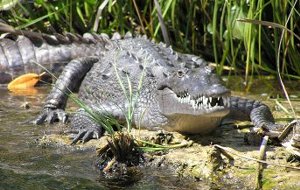
Crocodiles of the Black River
Crocodiles remain one of the best-known animals associated with the Lower Morass and the lower Black River. Their survival depends on wetland habitat that has been pressured by drainage, agriculture and development.
Guided river tours have made crocodile sightings part of the area's visitor economy, bringing conservation and tourism into the same landscape.
Pressures on the wetland
The Lower Morass has long attracted interest for agriculture, peat and other forms of development. Environmental pressures identified on the existing Black River page include:
- Pollution reaching the Lower Morass from industrial and agricultural activity farther upstream.
- Potential disturbance to wildlife from recreational and guided-tour activity.
- Loss of wetland vegetation through accidental and human-caused fires.
- Drainage and development that reduce or alter habitat.